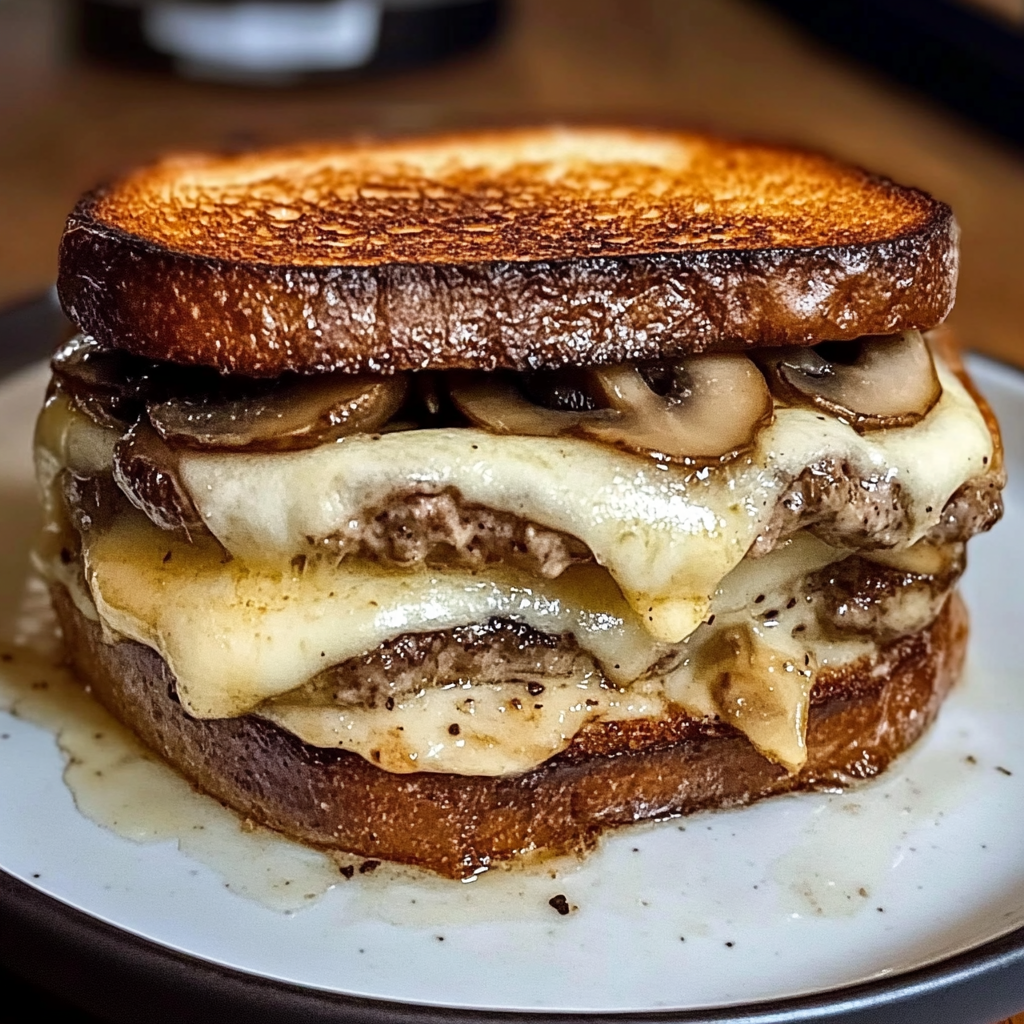
Picture this: golden-brown bread crackling as you bite through its crispy exterior, revealing layers of perfectly melted Swiss cheese that stretch in silky ribbons. Beneath lies a treasure trove of caramelized mushrooms, their earthy umami flavors mingling with a juicy beef patty that’s been seasoned to perfection. This is the magic of the Swiss Mushroom Melt – America’s beloved comfort food that transforms simple ingredients into an extraordinary culinary experience.
The mushroom melt has earned its place among classic American sandwiches, standing proudly alongside the Reuben and Philly cheesesteak. What sets this dish apart is its perfect balance of textures and flavors, where the nuttiness of Swiss cheese complements the meaty richness of sautéed mushrooms. Understanding the nutritional benefits of mushrooms can help you appreciate why this comfort food offers more than just satisfaction – it delivers essential nutrients like potassium, selenium, and B vitamins.
The secret to an exceptional Swiss Mushroom Melt lies in the quality of its components and the mastery of basic cooking techniques. Swiss cheese, with its superior melting properties due to the traditional Swiss cheese making process, creates that coveted gooey center that makes each bite memorable. Whether you’re crafting this as a patty melt on rye bread or as a gourmet grilled cheese variation, the principles remain the same: high-quality ingredients, proper temperature control, and patience. try also this Cheesy Garlic Butter Mushroom Stuffed Chicken
What is a Swiss Mushroom Melt?
A Swiss Mushroom Melt is a hearty sandwich that combines several key elements:
• Protein base: Typically a seasoned ground beef patty, though turkey and plant-based alternatives work beautifully • Mushroom component: Caramelized mushrooms that have been sautéed to golden perfection • Cheese element: Swiss cheese (Emmental or Gruyère) known for its excellent melting properties • Bread foundation: Usually served on rye bread, though sourdough and whole grain alternatives are popular
The Swiss Mushroom Melt differs from a traditional burger in its open-faced or sandwich-style presentation and its emphasis on the cheese-mushroom combination. Unlike a simple grilled cheese, it incorporates protein, making it a complete meal. The dish evolved from the classic American patty melt, with Swiss cheese and mushrooms becoming the star ingredients that define this particular variation.
This comfort food sandwich gained popularity in diners and family restaurants across America, where cooks discovered that the mild, nutty flavor of Swiss cheese perfectly complements the earthy richness of mushrooms. The combination creates what food scientists call “umami synergy,” where individual flavors enhance each other to create something greater than the sum of their parts.
Essential Ingredients for the Perfect Swiss Mushroom Melt
Choosing the Right Mushrooms
The foundation of any great mushroom melt starts with selecting the right fungi:
• Button mushrooms: Mild flavor, affordable, and readily available • Cremini mushrooms: Slightly more robust flavor than button mushrooms • Portobello mushrooms: Rich, meaty texture perfect for substantial melts • Shiitake mushrooms: Adds sophisticated earthy notes and umami depth
When selecting mushrooms, look for firm specimens with no dark spots or slimy texture. Fresh mushrooms should have a clean, earthy smell. Sautéed mushrooms develop complex flavors through the Maillard reaction, which occurs when proteins and sugars brown under heat.
Swiss Cheese Selection
Not all Swiss cheeses are created equal for melting:
• Emmental: Classic choice with large holes and mild, nutty flavor • Gruyère: Premium option with complex, slightly sweet taste • Baby Swiss: Milder version with smaller holes, melts smoothly • Aged Swiss: Stronger flavor but may not melt as uniformly
The key to perfect melted Swiss cheese lies in its moisture content and protein structure. Swiss cheeses contain the right balance of moisture and fat to create that signature stretchy, gooey texture when heated.
Bread and Protein Options
Your choice of bread significantly impacts the final result:
• Rye bread: Traditional choice that complements Swiss cheese’s nuttiness • Sourdough: Adds tangy flavor and sturdy structure • Whole grain: Provides nutty complexity and extra nutrition • Texas toast: Thick-cut white bread for maximum comfort food appeal
For protein, ground beef patties remain the classic choice, but turkey patties offer a leaner alternative. Season generously with salt, pepper, and garlic powder for optimal flavor development.
Step-by-Step Swiss Mushroom Melt Recipe
Preparation Phase
Before you start cooking, organize your workspace for success:
• Slice mushrooms uniformly (¼-inch thick) for even cooking • Form patties if using ground meat, making them slightly larger than your bread • Grate or slice cheese thinly for quick, even melting • Butter bread on the outside surfaces for golden brown crust
Temperature control is crucial – preheat your pan to medium heat. Too high, and you’ll burn the bread before the cheese melts; too low, and you’ll end up with soggy results.
Cooking the Mushrooms
Achieving perfectly caramelized mushrooms requires patience:
• Heat 1 tablespoon oil or butter in a large skillet over medium-high heat • Add sliced mushrooms in a single layer – don’t overcrowd • Don’t stir immediately – let them develop a golden crust (3-4 minutes) • Season with salt and pepper, then stir and continue cooking • Cook until deeply golden and slightly crispy (8-10 minutes total)
The goal is to remove moisture while developing rich, concentrated flavors. Properly cooked mushrooms should be golden brown with slightly crispy edges and a tender interior.
Assembly and Cooking
Now for the magic of creating your Swiss Mushroom Melt:
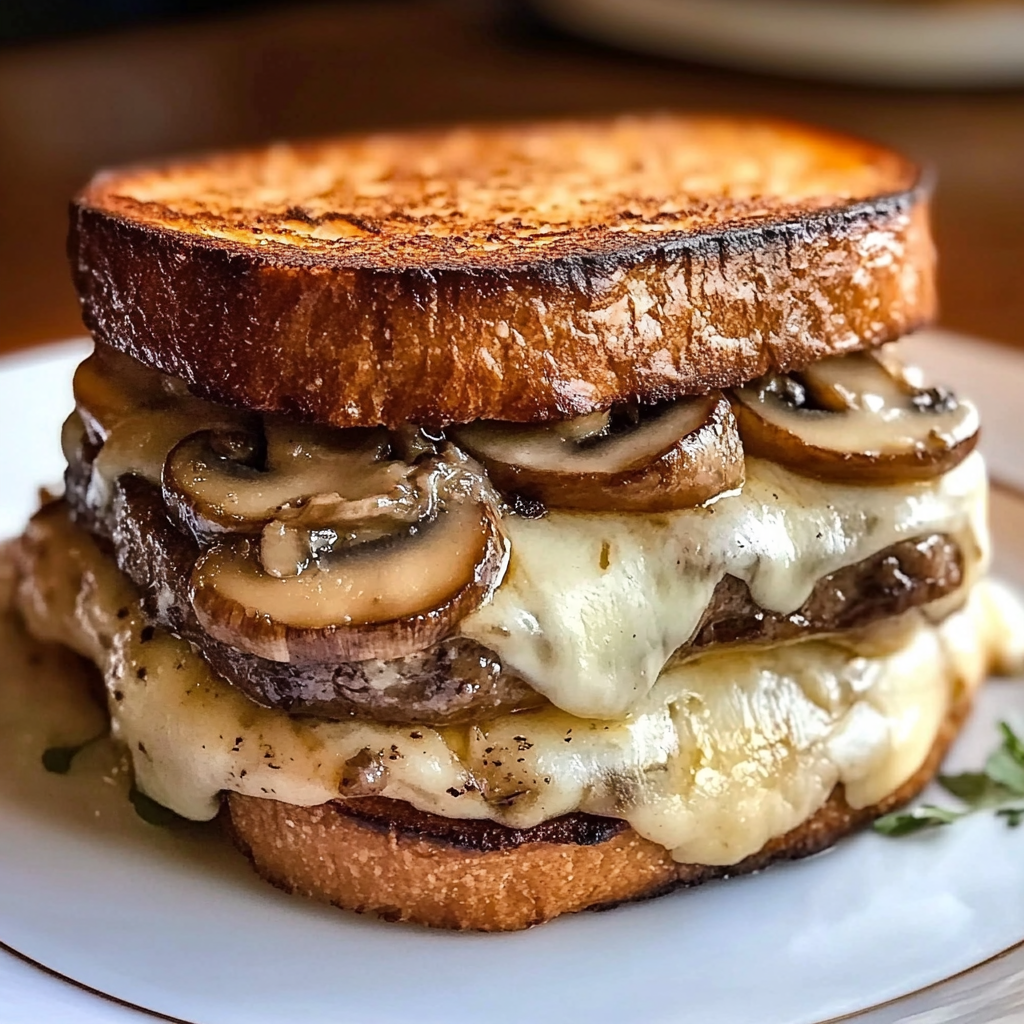
• Place buttered bread butter-side down in heated pan • Layer cheese on bread, then add cooked patty (if using) • Top with sautéed mushrooms and additional cheese • Cover with second bread slice, butter-side up • Cook 3-4 minutes until bottom is golden brown • Carefully flip and cook another 3-4 minutes • Reduce heat if browning too quickly
The key is achieving that perfect balance: crispy exterior with completely melted cheese interior.
Cooking Techniques and Pro Tips
Master these techniques for restaurant-quality results:
• Use medium heat consistently – high heat burns bread before cheese melts • Cover the pan briefly to help cheese melt evenly • Press gently with spatula to ensure good contact between ingredients • Let it rest for 1-2 minutes after cooking to allow cheese to set slightly
Common Mistakes to Avoid
• Rushing the process – patience creates better flavor development • Overcrowding mushrooms – leads to steaming instead of browning • Using cold cheese – room temperature cheese melts more evenly • Flipping too early – wait for proper browning before turning
Storage and Reheating
While Swiss Mushroom Melts are best enjoyed fresh, you can store components separately:
• Cooked mushrooms keep refrigerated for 3-4 days • Formed patties can be frozen for up to 3 months • Reheat assembled sandwiches in a covered pan over low heat
Swiss Mushroom Melt Variations
Classic Patty Melt Style
The traditional patty melt recipe features:
• Thick rye bread slices, lightly toasted • Caramelized onions added alongside mushrooms • Ground beef patty seasoned with Worcestershire sauce • Swiss and American cheese combination for extra richness
This style typically uses more onions than mushrooms, creating a sweet-savory balance that’s become an American diner staple.
Grilled Cheese Version
For a vegetarian mushroom melt:
• Multiple cheese layers – Swiss, Gruyère, and fontina work beautifully • Thick-cut mushrooms become the star protein • Herb butter adds complexity to the bread exterior • Truffle oil drizzle elevates the mushroom flavors
This version celebrates mushrooms as the primary ingredient rather than a supporting player.
Modern Twists
Contemporary variations include:
• Plant-based patties for vegan-friendly options • Brioche buns for a more luxurious experience • Asian-inspired versions with shiitake mushrooms and miso butter • Mexican fusion with pepper jack cheese and jalapeños
Nutritional Information and Health Considerations
A typical Swiss Mushroom Melt contains approximately:
• Calories: 650-800 per serving • Protein: 35-45 grams • Fat: 40-50 grams • Carbohydrates: 35-45 grams • Calcium: 400-500mg (from Swiss cheese)
Health Benefits
Despite being a comfort food, this dish offers nutritional value:
• Mushrooms provide selenium, potassium, and B vitamins • Swiss cheese delivers high-quality protein and calcium • Whole grain bread adds fiber and additional B vitamins
Healthier Modifications
Make your melt more nutritious:
• Use turkey or plant-based patties to reduce saturated fat • Choose whole grain bread for added fiber • Add spinach or arugula for extra vitamins • Use cooking spray instead of butter for the exterior
Serving Suggestions and Pairings
Traditional Accompaniments
Classic sides that complement your Swiss Mushroom Melt:
• Crispy french fries – the ultimate comfort food pairing • Dill pickle spears – cut through richness with acidic tang • Coleslaw – provides fresh, crunchy contrast • Sweet potato fries – healthier alternative with natural sweetness
Beverage Pairings
• Beer: Light lagers or wheat beers complement without overwhelming • Wine: Pinot Noir or Chardonnay balance the richness • Non-alcoholic: Iced tea, lemonade, or sparkling water with lemon
Presentation Tips
Elevate your home presentation:
• Cut diagonally to showcase internal layers • Serve immediately while cheese is still stretchy • Garnish with fresh herbs like chives or parsley • Use warm plates to maintain temperature
Troubleshooting Common Issues
Preventing Cheese from Burning
• Lower heat if cheese browns before melting • Cover pan briefly to trap heat and melt cheese evenly • Use freshly grated cheese for better melting properties
Dealing with Soggy Bread
• Day-old bread works better than fresh • Don’t over-sauce – less is more with condiments • Proper butter coverage creates moisture barrier
Mushroom Preparation Problems
• Remove excess moisture by salting and draining if needed • Don’t overcrowd pan – cook in batches if necessary • High enough heat to achieve proper browning
Temperature and Timing Issues
Following proper food safety practices ensures your Swiss Mushroom Melt is both delicious and safe. Internal temperature for ground beef should reach 160°F (71°C).
Frequently Asked Questions
Q: What type of mushrooms work best for a Swiss Mushroom Melt?
Button mushrooms, cremini, and portobello are ideal choices due to their mild flavor and excellent texture when sautéed. Shiitake mushrooms add an earthy depth that pairs beautifully with Swiss cheese. The key is choosing mushrooms that won’t release too much moisture during cooking.
Q: Can I make Swiss Mushroom Melt ahead of time?
While best served fresh, you can prep ingredients in advance. Cook mushrooms and form patties up to 24 hours ahead, storing them separately in the refrigerator. Grated Swiss cheese can be prepared and stored covered. Assemble and cook when ready to serve for optimal texture and flavor.
Q: What’s the difference between Swiss and Gruyère cheese in this recipe?
Both work excellently for melted cheese applications. Swiss cheese is milder with a smooth melting profile, while Gruyère offers a nuttier, more complex flavor with superior melting properties. Gruyère tends to be more expensive but provides a more sophisticated taste profile.
Q: How do I prevent the bread from getting soggy?
Use day-old bread for better structure, butter the outside surfaces generously, and avoid over-saucing. Cook at medium heat to ensure the bread develops a golden brown crust before the cheese fully melts. Proper temperature control is essential for achieving the right balance.
Q: Can I make a vegetarian version?
Absolutely! Omit the meat patty and focus on well-seasoned, caramelized mushrooms with multiple cheese layers. Use a variety of mushrooms like portobello, shiitake, and cremini for complex flavors. Add herbs like thyme or rosemary to enhance the earthiness.
Q: What’s the best cooking method – pan, grill, or oven?
Pan-cooking offers the most control over temperature and browning. Grilling adds smoky flavor but requires careful attention to prevent burning. Oven-finishing at 350°F can help melt cheese evenly in particularly thick sandwiches. For beginners, pan-cooking is the most reliable method.
