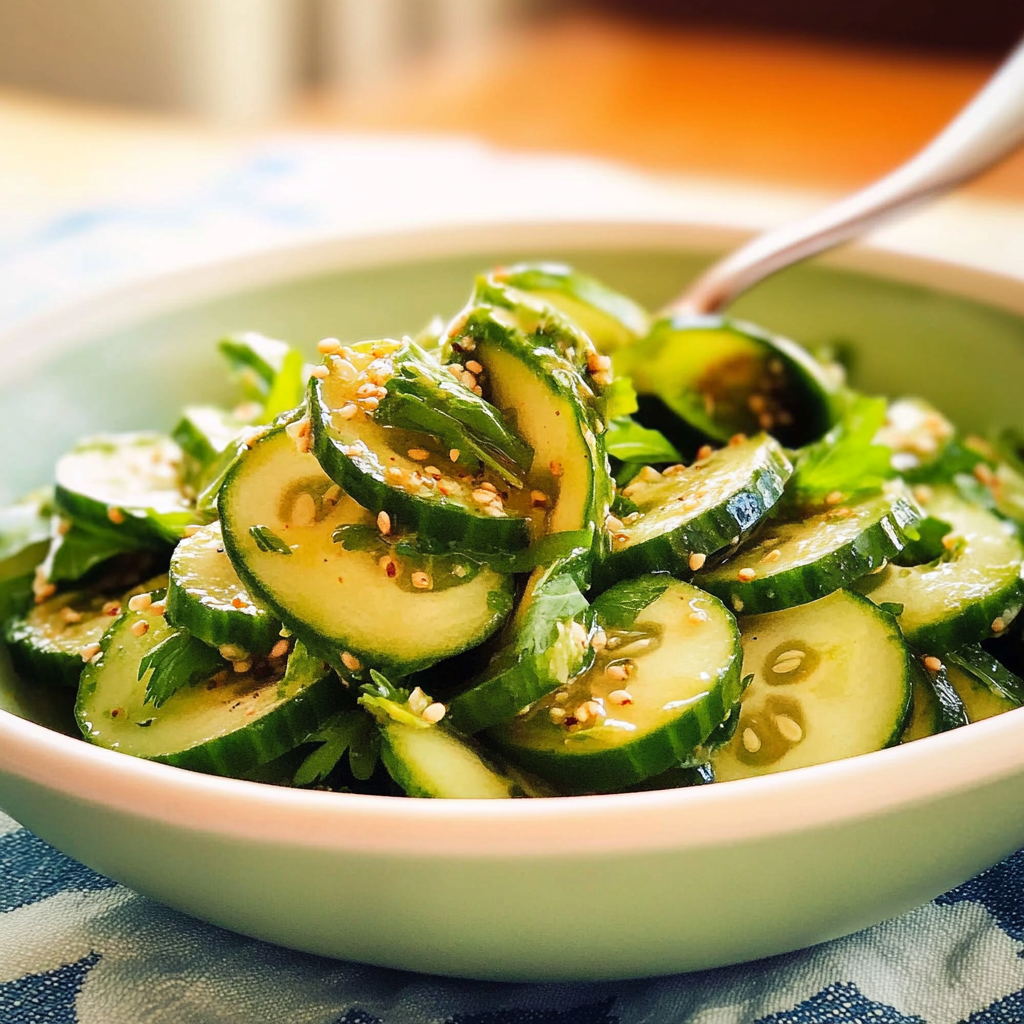
When summer heat arrives, nothing beats the refreshing crunch of a perfectly made cucumber salad. This timeless dish combines the cooling properties of fresh cucumbers with tangy dressings to create a side dish that’s both satisfying and incredibly healthy. Whether you’re hosting a backyard barbecue, preparing a light lunch, or looking for the perfect potluck contribution, cucumber salad delivers every time.
Cucumber salad isn’t just delicious – it’s packed with nutrition and incredibly versatile. The star ingredient offers impressive health benefits of cucumbers, including high water content for hydration, vitamin K for bone health, and antioxidants that support overall wellness. From classic American preparations with vinegar and dill to trendy Asian-inspired versions taking social media by storm, this humble vegetable transforms into countless delicious variations.
Understanding proper food storage techniques becomes crucial when making cucumber salad, as the high water content requires specific preparation methods to maintain that perfect crispy texture. This comprehensive guide will teach you everything from selecting the right cucumbers to mastering professional techniques that keep your salad fresh and flavorful for days.
What is Cucumber Salad?
Cucumber salad is a refreshing dish featuring thinly sliced cucumbers dressed in various combinations of vinegar, oil, herbs, and seasonings. This versatile side dish appears in cuisines worldwide, each culture adding its unique twist to the basic concept.
Key characteristics of cucumber salad include: • Fresh cucumbers as the primary ingredient • Acidic dressing typically based on vinegar or citrus • Crisp texture maintained through proper preparation • Cool serving temperature for maximum refreshment • Quick preparation time, usually under 30 minutes
The dish gained popularity in American households during the 19th century, particularly in German-American communities who brought their traditional “Gurkensalat” recipes. Today’s versions range from simple three-ingredient preparations to complex gourmet cucumber salads featuring exotic ingredients and sophisticated flavor profiles.
Cucumber salad serves multiple purposes in meal planning. It acts as a palate cleanser between rich courses, provides a cooling contrast to spicy foods, and offers a low-calorie option for health-conscious diners. The high water content makes it particularly appealing during hot weather when heavy foods feel less appetizing.
Nutritionally, cucumber salad delivers impressive benefits with minimal calories. A typical serving contains less than 50 calories while providing vitamin C, potassium, and beneficial plant compounds that support hydration and digestive health.
Types of Cucumber Salad
Classic American Cucumber Salad
The traditional American cucumber salad features a simple yet satisfying combination of sliced cucumbers, onions, and a sweet-and-sour dressing. This version typically includes:
• White vinegar for sharp acidity • Granulated sugar for balancing sweetness
• Fresh dill for aromatic herb notes • Thinly sliced red onion for mild bite • Salt and pepper for seasoning depth
This style became popular in Midwestern households and remains a staple at church dinners, family reunions, and summer gatherings. The simplicity allows the fresh cucumber flavor to shine while the dressing provides just enough complexity to keep things interesting.
Asian Cucumber Salad
Asian cucumber salad variations bring bold flavors and different textures to the traditional concept. Popular styles include:
Chinese-Style Features: • Rice vinegar for milder acidity • Sesame oil for nutty richness • Soy sauce for umami depth • Garlic and ginger for aromatic heat • Chili oil for spicy kick
Japanese Sunomono includes: • Rice vinegar and sugar base • Sesame seeds for texture • Wakame seaweed for oceanic flavor • Cucumber ribbons for elegant presentation
These preparations often feature different cutting techniques, creating cucumber ribbons or paper-thin slices that absorb dressings more effectively than thick American-style cuts.
Mediterranean Cucumber Salad
Mediterranean versions transform cucumber salad into heartier dishes suitable as light meals. Greek-inspired preparations commonly feature:
• Extra virgin olive oil for rich mouthfeel • Fresh lemon juice for bright acidity • Crumbled feta cheese for creamy saltiness • Fresh herbs like dill, mint, and parsley • Cherry tomatoes for color and sweetness • Kalamata olives for briny complexity
These substantial salads often serve as appetizers or light lunches, particularly when paired with crusty bread and additional Mediterranean ingredients.
Essential Ingredients for Perfect Cucumber Salad
Choosing the Right Cucumbers
Selecting proper cucumbers makes the difference between mediocre and exceptional cucumber salad. Understanding cucumber varieties helps you choose the best option for your intended preparation.
Persian Cucumbers: • Thin, tender skin requiring no peeling • Minimal seeds and dense flesh • Sweet flavor with no bitterness • Perfect size for individual servings • Extended freshness when refrigerated
English Cucumbers: • Long, seedless varieties with consistent diameter • Mild flavor and crisp texture • Thin skin that’s pleasant to eat • Minimal water content compared to regular varieties • Ideal for elegant presentations
Regular Garden Cucumbers: • Thicker, waxy skin often requiring peeling • More seeds that may need removal • Higher water content requiring salt treatment • Strong cucumber flavor that some prefer • Most economical option for large batches
When shopping, look for firm cucumbers without soft spots, yellowing, or wrinkled skin. The cucumber should feel heavy for its size, indicating good water content and freshness.
Supporting Ingredients
Creating memorable cucumber salad requires balancing supporting ingredients that complement without overwhelming the star vegetable.
Acidic Components: • White vinegar provides sharp, clean acidity • Rice vinegar offers milder, slightly sweet notes
• Apple cider vinegar adds fruity complexity • Fresh lemon juice brings bright, citrusy zing • Lime juice contributes tropical freshness
Sweetening Elements: • Granulated sugar dissolves easily and balances acidity • Honey adds floral notes and smooth sweetness • Maple syrup provides complex, earthy sweetness • Agave nectar offers neutral sweetening for health-conscious cooks
Aromatic Additions: • Fresh dill remains the classic herb choice • Mint leaves provide cooling, refreshing notes • Chives add mild onion flavor without harshness • Cilantro brings bright, citrusy herb notes • Parsley offers clean, grassy freshness
Step-by-Step Cucumber Salad Recipe
Classic Cucumber Salad Recipe
This foolproof cucumber salad recipe serves 6-8 people and can be prepared in under 30 minutes.
Ingredients: • 3 large English cucumbers, thinly sliced • 1 medium red onion, thinly sliced • 1/2 cup white vinegar • 1/4 cup granulated sugar • 2 tablespoons fresh dill, chopped • 1 teaspoon salt • 1/2 teaspoon black pepper • 2 tablespoons vegetable oil (optional)
Instructions:
- Prepare the vegetables: Wash cucumbers thoroughly and slice into 1/8-inch rounds using a sharp knife or mandoline. Slice red onion into thin half-moons.
- Salt the cucumbers: Place sliced cucumbers in a large colander, sprinkle with 2 tablespoons salt, and toss to coat evenly. Let stand 30-60 minutes to draw out excess moisture.
- Make the dressing: In a small bowl, whisk together vinegar, sugar, salt, and pepper until sugar completely dissolves. Add oil if desired for richer mouthfeel.
- Rinse and dry: After salting time, rinse cucumbers thoroughly under cold water and pat completely dry with paper towels or clean kitchen towels.
- Combine ingredients: In a large serving bowl, combine dried cucumbers, sliced onion, and fresh dill. Pour dressing over vegetables and toss gently to coat.
- Chill and serve: Refrigerate for at least 30 minutes before serving to allow flavors to meld. Serve chilled for best taste and texture.
The Salt Technique for Crispy Cucumbers
The salt technique is crucial for preventing watery cucumber salad. This process, called “degorging,” draws out excess moisture that would otherwise dilute your dressing and create soggy results.
Why salting works: • Salt draws water from cucumber cells through osmosis • Removes bitterness that can develop in older cucumbers
• Concentrates flavor by reducing water content • Improves texture by firming the cucumber flesh • Prevents dilution of carefully balanced dressings
Proper technique: • Use coarse salt for better coverage • Allow 45-60 minutes for thorough water extraction • Rinse thoroughly to remove excess salt • Pat completely dry with clean towels • Work quickly after drying to prevent re-absorption
Dressing Preparation and Assembly
Creating the perfect cucumber salad dressing requires understanding how different ingredients interact and affect the final flavor profile.
Balancing elements: • Start with 2:1 ratio of vinegar to sugar for classic preparations • Add salt gradually, tasting frequently to avoid over-seasoning • Include herbs just before serving to maintain color and potency • Consider oil addition for richer mouthfeel in heartier preparations
Assembly tips: • Dress just before serving for maximum crispness • Toss gently to avoid breaking delicate cucumber slices • Taste and adjust seasoning after initial mixing • Garnish appropriately with fresh herbs or complementary ingredients

Advanced Tips and Techniques
Preventing Soggy Cucumber Salad
Maintaining crisp texture in cucumber salad requires understanding moisture management and proper storage techniques.
Professional techniques: • Double-salt method: Salt once for 30 minutes, rinse, then salt again briefly for extra crispness • Ice water bath: After salting and rinsing, soak cucumbers in ice water for 15 minutes to enhance crispness • Paper towel pressing: Lay salted cucumbers between paper towels and gently press to remove stubborn moisture • Refrigerator drying: Spread prepared cucumbers on baking sheets lined with paper towels and refrigerate uncovered for 2 hours
Storage strategies: • Store dressing separately until serving time • Use glass containers to prevent flavor absorption • Drain accumulated liquid before serving leftover salad • Refresh with herbs and additional seasoning when serving day-old salad
Understanding these techniques transforms home cooks into cucumber salad experts capable of consistently producing restaurant-quality results.
Flavor Enhancement Techniques
Elevating basic cucumber salad involves layering flavors and understanding how different ingredients interact over time.
Marinating considerations: • Short marinating (15-30 minutes) maintains crispness while infusing flavor • Longer marinating (2-4 hours) creates more integrated flavors but softer texture • Overnight marinating works only for heartier preparations with oil-based dressings
Flavor layering strategies: • Add aromatic vegetables like shallots or garlic for depth • Include textural elements like toasted seeds or nuts • Balance temperatures by serving chilled salad with room-temperature garnishes • Consider contrasts like sweet elements with salty cheese or bitter greens
Presentation and Serving Ideas
Professional presentation elevates simple cucumber salad into an impressive dish worthy of special occasions.
Plating techniques: • Use chilled serving bowls to maintain temperature • Arrange ingredients thoughtfully rather than simply mixing • Garnish strategically with complementary colors and textures • Serve appropriate portions using proper serving utensils
Pairing suggestions: • Grilled meats benefit from cucumber salad’s cooling properties • Rich dishes like pulled pork or fried chicken gain balance from crisp vegetables • Grain bowls and Mediterranean platters incorporate cucumber salad naturally • Sandwich accompaniments provide refreshing contrast to heavy fillings
Popular Cucumber Salad Variations
Creamy Cucumber Salad
Creamy cucumber salad offers richness and satisfaction that vinegar-based versions can’t match. These preparations work particularly well for hearty meal accompaniments.
Sour cream base preparations: • Full-fat sour cream provides the richest mouthfeel • Greek yogurt offers protein and probiotics with tangy flavor • Mayonnaise combinations create stable emulsions that coat cucumbers effectively • Cream cheese additions work well in smaller quantities for extra richness
Flavor additions for creamy versions: • Fresh herbs like dill, chives, and parsley complement dairy bases • Lemon zest brightens rich preparations without adding excess liquid • Garlic powder provides flavor without the moisture of fresh garlic • Celery seed adds complexity and traditional flavor associations
Preparation differences: • Skip the salting step as creamy dressings help bind moisture • Add dressing gradually to achieve desired consistency • Serve immediately or within 2 hours for food safety • Garnish just before serving to maintain visual appeal
TikTok Trending Cucumber Salads
Social media has revolutionized cucumber salad with viral trends that combine traditional techniques with modern flavor profiles and presentation styles.
Popular viral elements: • Smashed cucumbers create irregular surfaces that hold dressing better • MSG additions enhance umami flavors in Asian-inspired preparations • Everything bagel seasoning provides texture and familiar flavors • Tajín seasoning adds chili-lime complexity to simple preparations
Trending preparation methods: • Spiralized cucumbers create noodle-like shapes for unique presentations • Pickle-inspired flavors satisfy cravings for tangy, salty foods • International fusion combines elements from multiple cuisines • Make-ahead meal prep versions designed for busy lifestyle compatibility
Why these trends work: • Visual appeal translates well to social media sharing • Bold flavors satisfy modern palates seeking intense taste experiences • Quick preparation fits busy lifestyles and short attention spans • Customizable nature allows personal adaptation and creativity
International Variations
Global cucumber salad traditions offer inspiration for expanding your repertoire beyond familiar American preparations.
German Gurkensalat: • Thinly sliced cucumbers with caraway seeds and white vinegar • Traditional preparation involves overnight salting for maximum crispness • Regional variations include additions like radishes or fresh herbs • Serving context as accompaniment to heavy meat dishes and sausages
Thai Som Tam Style: • Julienned cucumbers mixed with green papaya and carrots • Fish sauce and lime provide umami and acidity • Chilies and garlic add heat and aromatic complexity
• Peanuts and dried shrimp contribute texture and protein
Middle Eastern Fattoush Influence: • Chunky cucumber pieces combined with tomatoes and herbs • Sumac and za’atar provide Middle Eastern flavor profiles • Pita bread additions create substantial, meal-worthy salads • Olive oil emphasis rather than vinegar-heavy dressings
These international approaches demonstrate how cucumber salad adapts to local ingredients, flavor preferences, and cultural serving contexts while maintaining its essential refreshing character.
Nutritional Benefits and Health Information
Cucumber salad provides impressive nutritional value while remaining extremely low in calories, making it an ideal choice for health-conscious eaters and weight management goals.
Nutritional breakdown per serving: • Calories: 25-45 depending on dressing choices • Carbohydrates: 6-8 grams, primarily from natural sugars • Fiber: 1-2 grams supporting digestive health • Protein: 1-2 grams, minimal but present • Fat: 0-3 grams depending on oil additions
Key vitamins and minerals: • Vitamin K: Essential for bone health and blood clotting • Vitamin C: Antioxidant supporting immune function • Potassium: Important for heart health and blood pressure regulation • Magnesium: Supports muscle and nerve function • Silica: Beneficial for skin and hair health
Health benefits: • Hydration support: 95% water content aids in daily fluid intake • Low calorie density: Allows large portions without caloric excess • Antioxidant compounds: Flavonoids and tannins provide cellular protection • Digestive benefits: Fiber and water content support healthy digestion • Cooling properties: Traditional medicine recognizes cucumbers for reducing body heat
Dietary considerations: • Naturally gluten-free and suitable for celiac disease • Low FODMAP options available for sensitive digestive systems • Keto-friendly when prepared without sugar additions • Diabetic-appropriate with minimal impact on blood sugar levels • Heart-healthy due to low sodium and beneficial potassium content
Understanding these nutritional aspects helps position cucumber salad as more than just a side dish – it’s a functional food that contributes meaningfully to daily nutritional goals.
Storage, Make-Ahead Tips, and Meal Planning
Proper storage techniques ensure your cucumber salad maintains quality and safety while fitting seamlessly into meal planning routines.
Optimal storage methods: • Airtight glass containers prevent flavor absorption and maintain freshness • Refrigerator temperature below 40°F essential for food safety • Separate dressing storage maintains cucumber crispness longer • Paper towel lining absorbs excess moisture during storage
Make-ahead strategies: • Prepare cucumbers up to 4 hours in advance after salting and drying • Mix dressing separately and combine just before serving • Pre-portion ingredients for quick assembly during busy periods • Batch preparation works well for meal prep and entertaining
Meal planning integration: • Weekly prep sessions can include cucumber preparation for multiple uses • Versatile base adapts to different flavor profiles throughout the week • Quick lunch option pairs well with proteins and grains • Emergency side dish requires minimal preparation time
Food safety considerations: • Consume within 2-3 days for optimal quality and safety • Discard if slimy or off-odors develop during storage • Keep chilled during serving at outdoor events and parties • Use clean utensils when serving to prevent contamination
Following seasonal vegetable gardening practices allows you to grow your own cucumbers, ensuring the freshest possible ingredients for your homemade salads while connecting with the source of your food.
Frequently Asked Questions About Cucumber Salad
How long does cucumber salad last in the refrigerator?
Fresh cucumber salad typically maintains quality for 2-3 days when stored properly in airtight containers. For best texture and flavor, consume within 24 hours of preparation. The salad remains safe to eat for up to 3 days, but texture may become softer and less appealing.
Should I peel cucumbers for cucumber salad?
Peeling depends on cucumber variety and personal preference. Persian and English cucumbers have tender, edible skins that add color and nutrition. Regular garden cucumbers often benefit from peeling due to thicker, sometimes bitter skins. Always wash thoroughly regardless of peeling decisions.
Why is my cucumber salad watery?
Excess water results from cucumbers’ high moisture content. The salt technique draws out this water before dressing. Always salt sliced cucumbers for 30-60 minutes, rinse thoroughly, and pat completely dry before adding dressing. This prevents dilution and maintains proper flavor balance.
Can I make cucumber salad ahead of time?
Make-ahead cucumber salad requires strategic preparation. Prepare and salt cucumbers up to 4 hours in advance, but add dressing only just before serving. This maintains crispness while allowing flavor development. Fully dressed salad can be made 2 hours ahead but quality decreases over time.
What’s the best type of vinegar for cucumber salad?
White vinegar provides clean, sharp acidity perfect for traditional preparations. Rice vinegar offers milder flavor ideal for Asian-inspired versions. Apple cider vinegar adds complexity, while fresh citrus juice creates bright, fresh flavors. Choose based on your desired flavor profile.
Can I freeze cucumber salad?
Cucumber salad should never be frozen due to cucumbers’ high water content. Freezing destroys the cellular structure, resulting in mushy, unpalatable texture when thawed. Fresh preparation ensures optimal quality and food safety.
How do I make cucumber salad less acidic?
Balance excessive acidity by increasing sweetener amounts or adding creamy elements like sour cream or Greek yogurt. Reduce vinegar or citrus juice quantities in future preparations. Oil additions also help mellow sharp acidic flavors while adding richness.
What herbs work best in cucumber salad?
Fresh dill remains the classic choice, providing traditional flavor associations. Mint leaves offer cooling properties, while chives add mild onion flavor. Cilantro works well in Asian preparations, and parsley provides clean, fresh taste. Choose herbs that complement your dressing style and personal preferences.
Cucumber salad represents the perfect intersection of simplicity, nutrition, and versatility. Whether you prefer classic American preparations, trendy social media versions, or international variations, mastering this fundamental dish opens doors to countless meal planning possibilities and ensures you always have a healthy, refreshing option ready for any occasion.
